1945
Establishment of the United Nations Ratification of the UN Charter
The UN was established after World War II to maintain peace and security, promote human rights, and foster social and economic development.The UN Charter is the foundational treaty of the United Nations. It sets out the purposes, principles, structure, and functioning of the United Nations.
1948
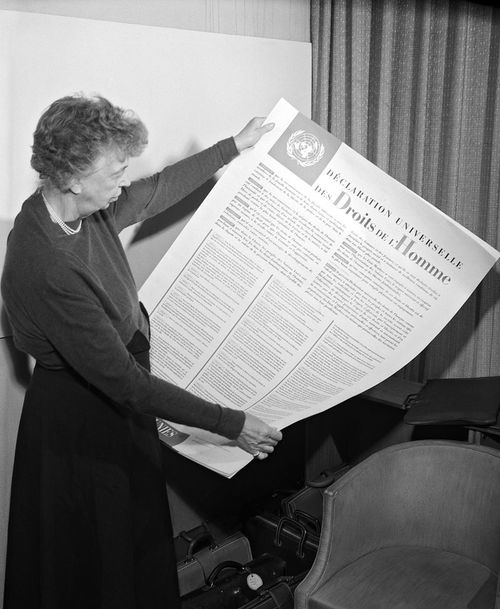
Adoption of the Universal Declaration of Human Rights (UDHR)
The UN General Assembly adopted the UDHR, affirming fundamental human rights and freedoms for all people.
1948
First UN Peacekeeping Mission (UNTSO)
Establishment of the United Nations Truce Supervision Organisation to monitor the ceasefire after the Arab-Israeli war, initiating UN peacekeeping efforts.
1956
Establishment of the first UN Peacekeeping force
The United Nations Emergency Force (UNEF) in 1956 was the first-ever United Nations peacekeeping force, created in response to the Suez Crisis. It marked a major turning point in the role of the UN in international conflict resolution.
1966
Adoption of the International Bill of Human Rights
The UN General Assembly adopted two foundational treaties: ‘The International Covenant on Civil and Political Rights’ and ‘The International Covenant on Economic, Social and Cultural Rights’.
1992
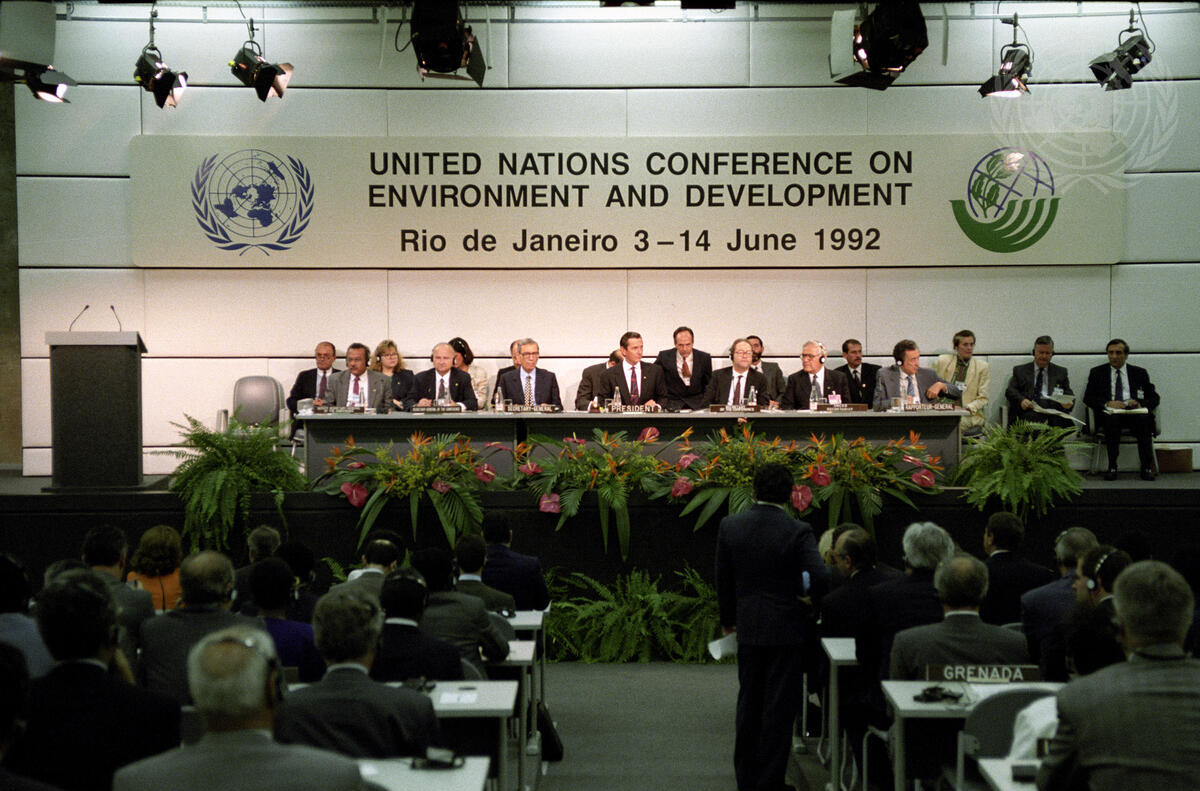
Earth Summit, Rio De Janeiro
The Rio Summit, officially known as the United Nations Conference on Environment and Development, was held in Rio de Janeiro, Brazil, in June 1992. It's commonly called the Earth Summit and marked a historic moment in global environmental diplomacy.
1992
Creation of the Department of Humanitarian Affairs
Established by the Secretary-General in 1992 to improve the coordination of humanitarian assistance, it was later reorganised and renamed the Office for the Coordination of Humanitarian Affairs (OCHA) in 1998.
2000
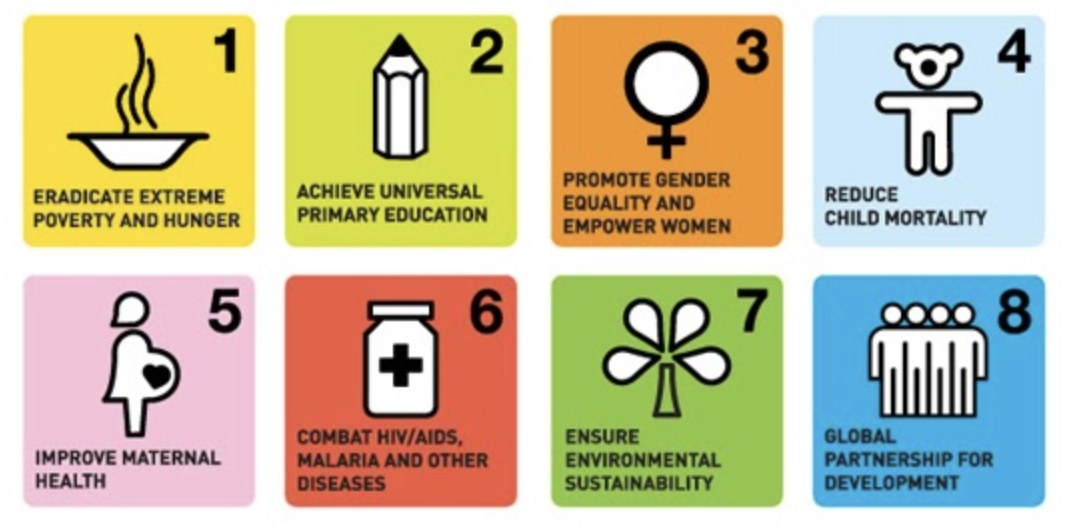
Millennium Summit: MDGs
The UN’s Millennium Development Goals, were eight global development goals, with a target date of 2015. They represented a unified international effort to reduce poverty, improve health and education, promote gender equality, and ensure environmental sustainability.
2002
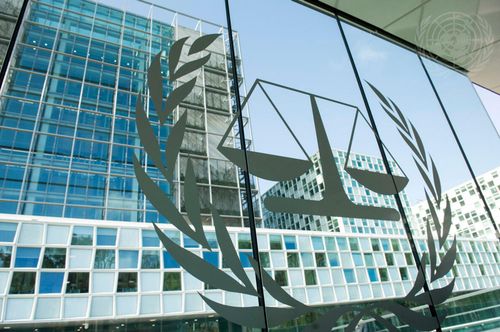
Establishment of the International Criminal Court (ICC)
The ICC is the world’s first permanent international court established to prosecute individuals for the most serious crimes that concern the international community as a whole.
2005
Establishment of the Peacebuilding Commission
Dedicated body to coordinate post-conflict peacebuilding efforts and support sustainable peace.
2006
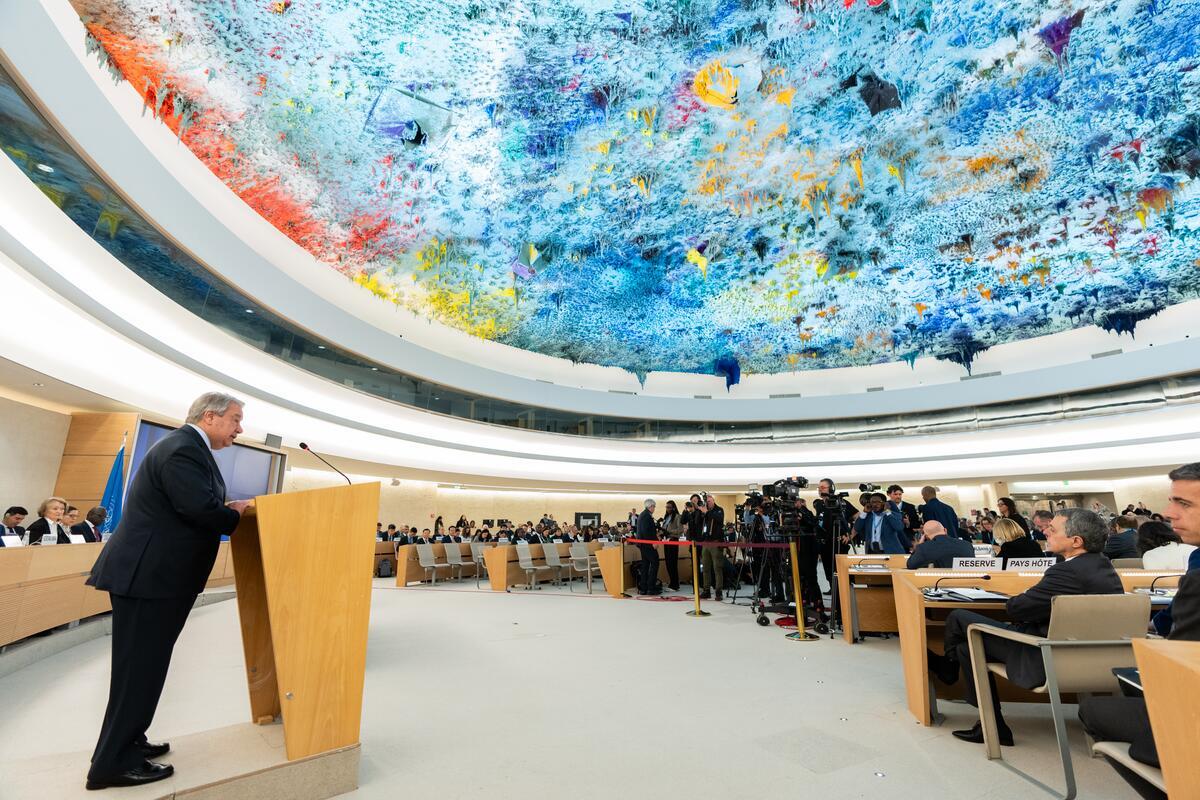
Establishment of the Human Rights Council (HRC)
The General Assembly establishes the HRC. The body is responsible for promoting and protecting human rights around the world.
2015
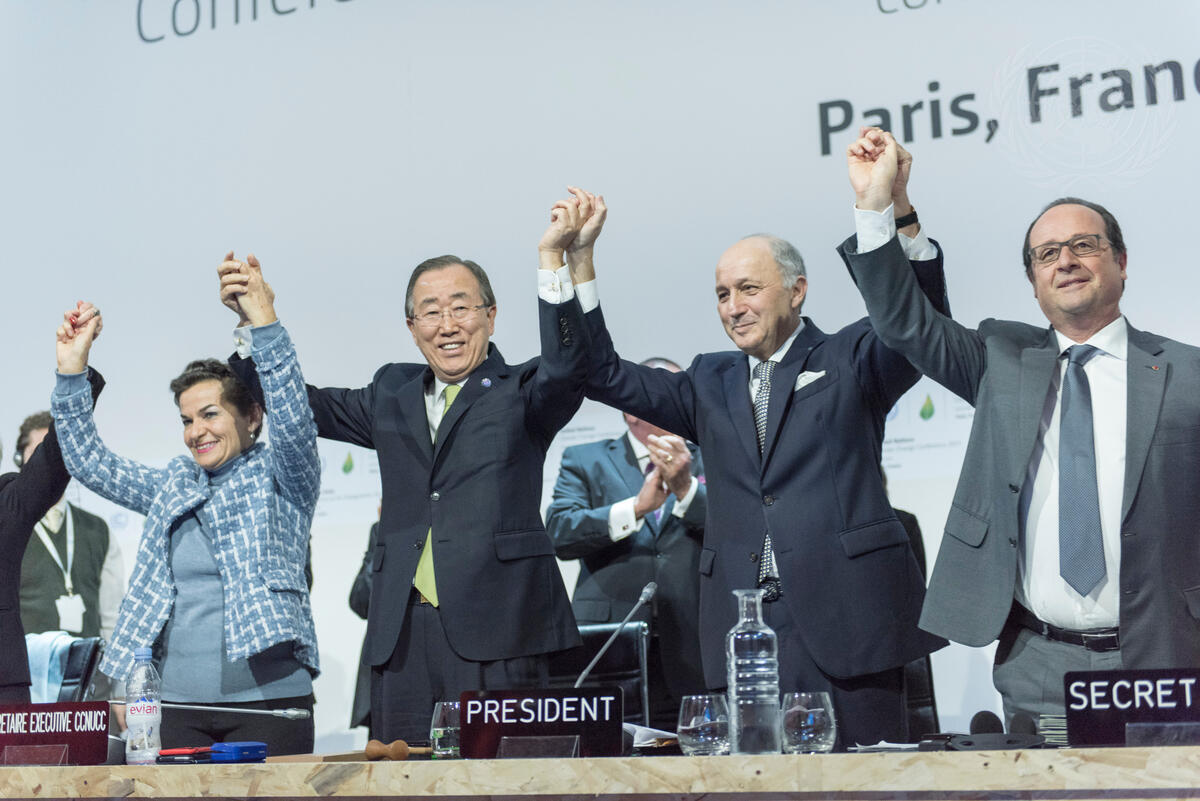
Paris Agreement
The Paris Agreement of 2015 is a landmark international treaty adopted by nearly every country in the world to address climate change and its negative impacts. It was adopted on December 12, 2015, during the 21st Conference of the Parties (COP21) to the United Nations Framework Convention on Climate Change (UNFCCC) in Paris, France.
2015
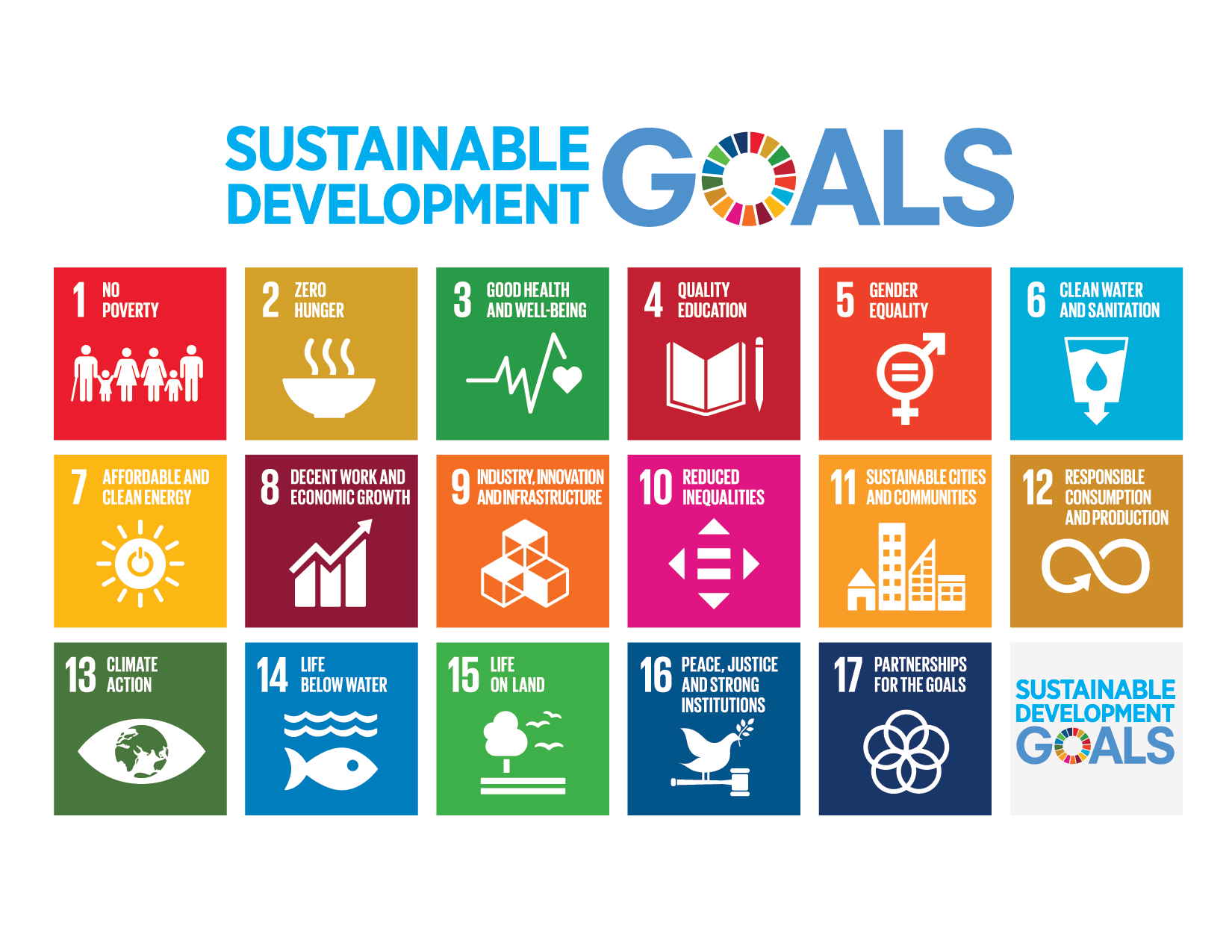
Adoption of the 2030 Agenda for Sustainable Development
The UN introduced 17 Sustainable Development Goals (SDGs) to guide global development efforts.
2018
UN Development System Reform (Resolution 72/279)
Reform of the Resident Coordinator system to enhance UN coherence and efficiency at country level.
2020
UN75 Declaration
To mark its 75th anniversary, the UN launched a global consultation and adopted a declaration calling for a more inclusive, networked, and effective multilateralism—laying the groundwork for the Summit of the Future.

2024
Pact for the Future
Adopted at the Summit of the Future, the Pact outlines a renewed vision for multilateral cooperation, including global governance reform, digital cooperation, youth engagement, and a more sustainable funding model.
Eighty years after its founding, the United Nations stands at a pivotal crossroads.
The world is facing an increasingly complex and rapidly changing landscape, marked by uncertainty, interlinked challenges, and accelerated transformation across sectors. In response, the UN launched UN80 in 2025, a bold reform initiative marking its 80th anniversary. This effort underscores the organization’s commitment to evolving with the times—streamlining its operations, modernising its mandates, and reaffirming its role as a cornerstone of international cooperation in an increasingly complex world