The Handbook – The UN at Country Level: A Practical Guide to the United Nations Operational System explains how the UN works in practice. It breaks down complex structures and processes in a clear and accessible way, helping readers understand how the UN is funded, how agencies coordinate, and what challenges they face. Whether you are a diplomat, development professional, journalist, or simply someone who wants to gain a deeper understanding of the UN, this guide will help you navigate its work in a straightforward and accessible manner.
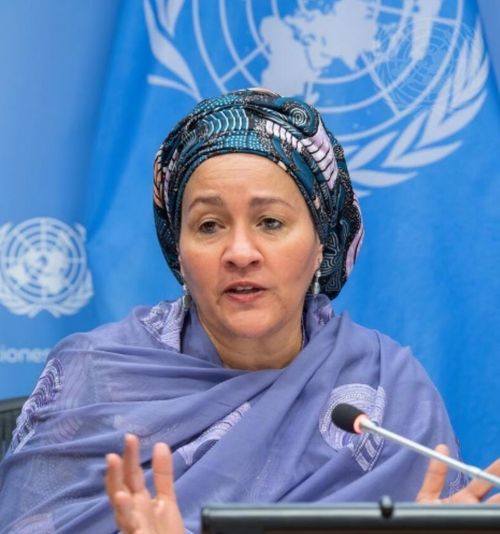
“While we live in challenging times, we know that with the right level of political and financial commitment the world can make real progress towards the Sustainable Development Goals by 2030 — and leave no one behind.”
Mandates
What is the UN, what is it intended for, what is its legitimacy based on and what is it supposed to do?
The UN stands as the only universal platform where countries join together to confront and find solutions to the world’s most pressing challenges. With 193 Member States, it is the sole organization that includes nearly every country in the world as a member or observer. In the founding document of the UN – the UN Charter – Member States articulate their desire to maintain peace and security, promote social progress and uphold human rights.
The UN operational system
How does the UN operational system implement its mandates?
UN COUNTRY-BASED WORK covers all four mandates: peacekeeping and peacebuilding; human rights protection and promotion; humanitarian assistance; and sustainable development. The four areas are interconnected: peace is not possible without development and there can be no development without peace. Humanitarian assistance cannot replace the political will for peace and development, nor ensure the protection of human rights. Thus, these elements must be considered together when shaping policies or developing programmes and projects. The operational implications of an integrated, holistic approach are referred to as the Humanitarian-Development-Peace collaboration. The term “UN operational system”, as used in subsequent chapters, refers to the network of UN agencies and entities delivering development, humanitarian and human rights assistance in-country.

The UN set-up at country level
How is the UN operational system organized at country level in development, humanitarian and mission settings?
The UN operates in various settings in Member States. The context and the needs of individual countries define the size and type of UN operational presence. Worldwide, the largest UN presence is found in development settings.
Who is the UN Resident Coordinator?
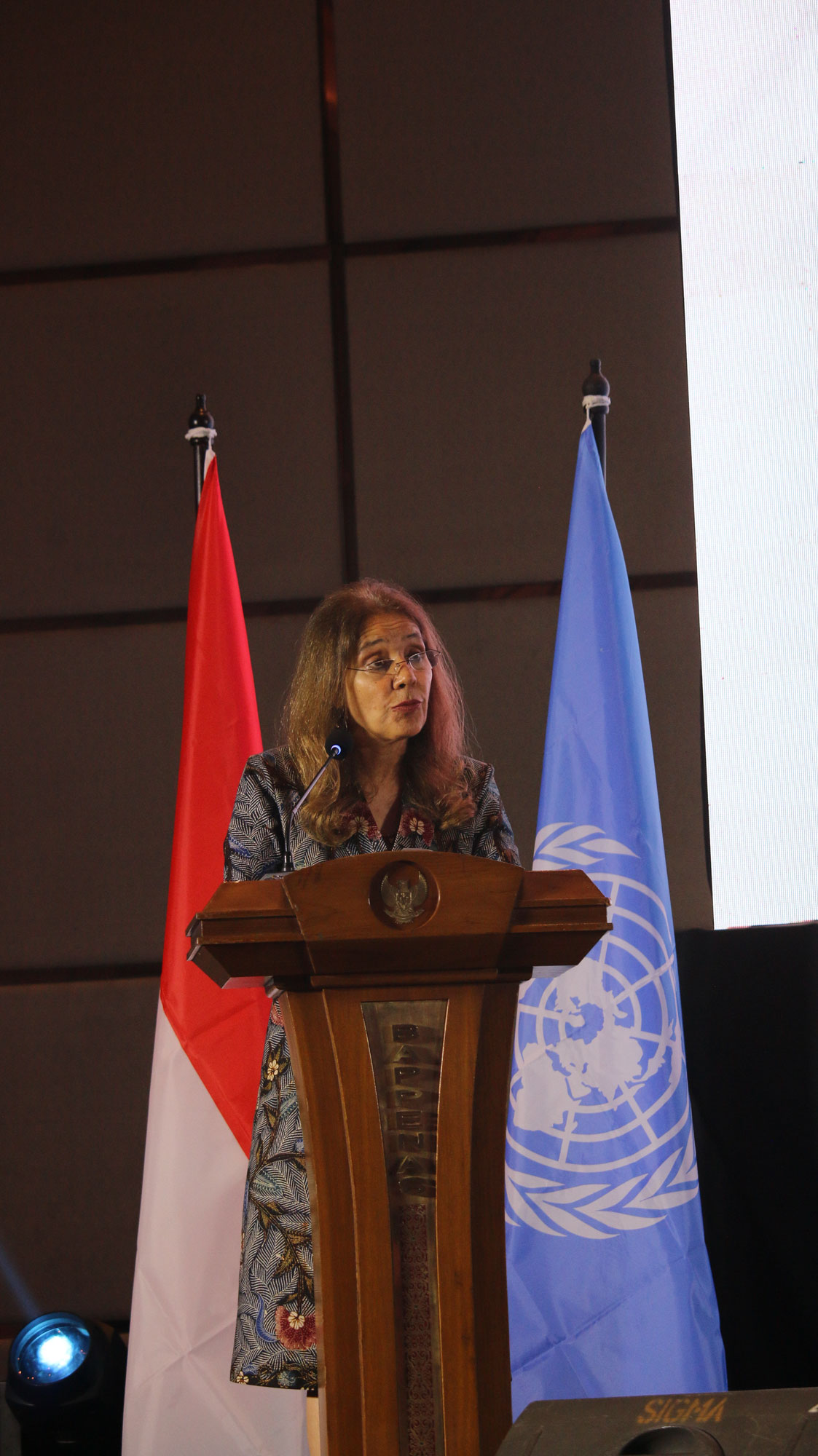
The UN Resident Coordinator is the top UN official in a country. Appointed by the UN Secretary-General, they lead and coordinate all UN development work and serve as the main link between the UN and the national government. They guide how the UN supports the country’s progress on the 2030 Agenda for Sustainable Development.
What are the key responsibilities of the UN Resident Coordinator?
- Represent the UN with government leaders and work closely with civil society, academia, and businesses.
- Coordinate UN activities to help countries achieve the Sustainable Development Goals (SDGs).
- Oversee the design, implementation, and monitoring of the UN Cooperation Framework, together with the host government.
- Promote the UN’s core values, such as human rights and gender equality, and ensure no one is left behind.

Funding the UN and its operational activities
Who funds the UN and how different types of funding can impact its work?
The UN is funded almost entirely by its Member States. Their contributions are either direct or indirect. Direct contributions include mandatory membership fees (known as “assessed contributions”) and voluntary contributions. Indirect contributions include funding channeled through mechanisms such as financial intermediary funds (FIFs) or through large multilateral organizations, such as the World Bank and the European Union. Various annual reports dissect the volume, sources and trends in UN funding.
Based on average data from reports of Dag Hammarskjöld Foundation and MPTF office.
- Voluntary contributions by Member States
- Assessed contributions from Member States
- Global funds, WB, EU, etc.
- Private contributions
- Other revenue

Designing country programmes
How does the UN develop its country and context-specific development and humanitarian programmes?
In host countries, the UN operates on the basis of specific planning documents that cover a defined period or “cycle”. These documents are developed under the leadership of the Resident Coordinator (RC) or RC/Humanitarian Coordinator (RC/HC), in collaboration with the host government and other partners.

Managing country projects
What are the “nuts and bolts” of UN project implementation in humanitarian and development settings?
Programmes and projects are the basic building blocks of UN operational activities in the area of sustainable development and humanitarian assistance. While there are variations in timelines, nomenclature and methods, the majority of UN development and humanitarian work in-country is guided by classic project cycle management. Both the Cooperation Framework (UNSDCF) and the Humanitarian Needs and Response Plan (HNRP) are implemented through programmes and projects carried out by one or more UN agencies in-country.
Accountability and oversight
How does the UN respond to irregularities and misconduct?
It is important to distinguish between the institutional accountability of UN agencies and the personal accountability of their staff. To ensure accountability, agencies are required to comply with specific budgeting and performance/financial reporting standards, environmental policies and geographic and gender representation prerequisites in their operations and recruitment practices. The accountability of officials of UN agencies is determined by the manner in which they discharge their official duties, including their personal conduct outside their official sphere of work (see chap. 6). Such obligations are spelled out in various accountability frameworks across the UN system.
Working with partners at country level
How does the UN collaborate with other actors on development and humanitarian efforts?
The UN operational system, in addition to engaging with the host country, works with numerous external partners. These include bilateral development and humanitarian partners, civil society, the private sector, academia, the Red Cross and Red Crescent Movement and international financial institutions (IFIs), including multilateral development banks (MDBs).
Headquarters coordination and support
Which regional and global structures support UN operational work in-country?
All member agencies of the UN country team (UNCT) have their own headquarters, while the functions of the Resident Coordinator/Humanitarian Coordinator (RC/HC) have dedicated back offices that are part of the UN Secretariat, namely, the Development Coordination Office (DCO) and the Office for the Coordination of Humanitarian Affairs (OCHA). Regional offices and regional platforms provide additional decentralized coordination and support functions. Global-level inter-agency coordination and intergovernmental oversight also take place at UN Headquarters.